The EET 2.0 Act has been published in the Collection of Laws as No. 180/2026 Coll., effective from 1 January 2027

Today, 7 October 2026, Act No. 180/2026 Coll., on the Recording of Sales and on amendments to certain other acts, was published in the Collection of Laws. It is known as EET 2.0 and takes effect on 1 January 2027. The recording of sales therefore returns from January 2027.
How the Act passed
The Act went through these steps:
- on 15 July 2026 the Chamber of Deputies approved it,
- on 19 August 2026 the Senate returned it with amendments,
- on 9 September 2026 the Chamber of Deputies insisted on the original wording,
- on 17 September 2026 the President signed it,
- on 7 October 2026 it was published in the Collection of Laws.
What it introduces
You will find the details in the EET 2.0 guide. The main points:
- payments received in person are recorded, that is, by cash, card, QR code and mobile phone,
- distance payments are not recorded,
- the Act does not require a receipt,
- flat-rate taxpayers (paušální režim) in band 1 with income of up to 1,000,000 Kč can choose EET OFF instead of recording, that is, a surcharge of 1,400 Kč per month on top of the flat-rate tax,
- in the first year of recording, you can claim a tax credit of up to 5,000 Kč.
Violations of the obligations carry fines of up to 500,000 Kč. It is worth going through the conditions of the flat-rate regime and deciding on EET OFF in advance, because the surcharge is paid on top of the flat-rate tax.
What else the Act changes
The Act reaches beyond the recording of sales. In the Income Tax Act it reinstates the student credit (§ 35bc), which is 4,020 Kč a year, and the childcare credit (školkovné, § 35bd) with a ceiling equal to the minimum wage. In the VAT Act it moves non-alcoholic drinks served in catering services to the reduced rate.
For how to claim the credits, follow the overview of tax credits.
Where people go wrong
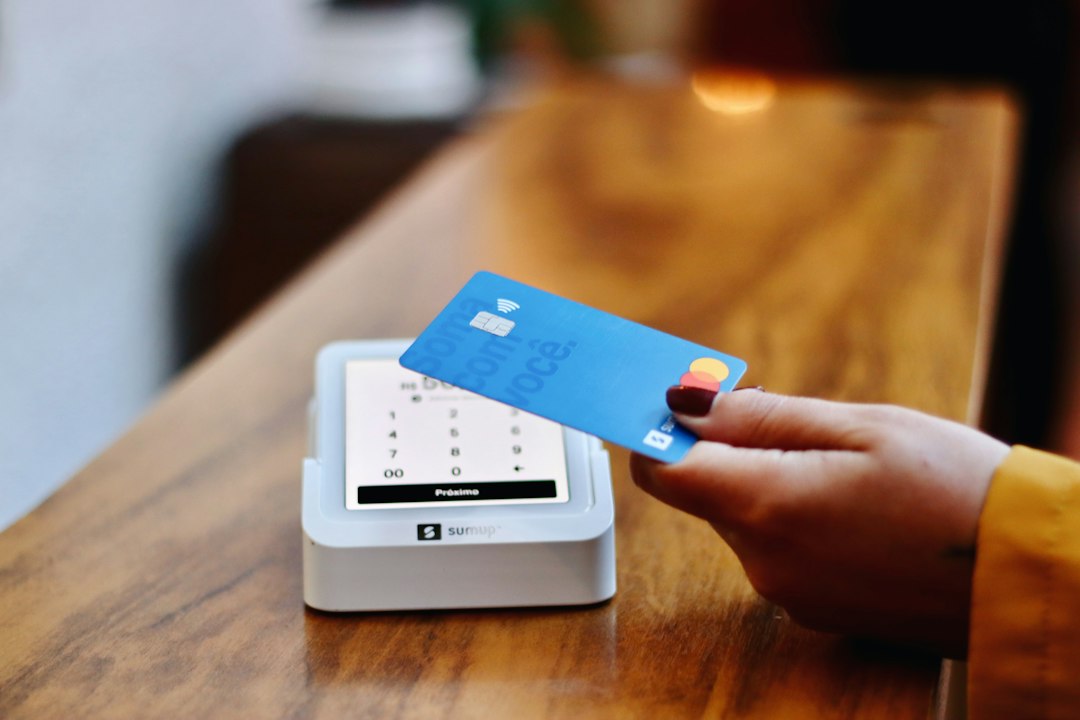
People often associate the recording of sales only with cash. The Act, however, targets all payments received in person, so a card payment at a terminal is recorded too. By contrast, an online shop with payment through a gateway or an invoice paid by bank transfer are distance payments and the recording does not concern them.
The second mistake is to confuse the recording with a duty to issue a receipt. The Act on the Recording of Sales does not impose that.
You can find the text of the Act on zakonyprolidi.cz.
Update (November 2026): from 2 November 2026 you can sign up for recording in DIS+ on the MOJE daně portal, see the separate news item and the EET 2.0 guide.
Frequently asked questions
EET 2.0 from 1 January 2027: who it affects and how to prepare
From January, sales are recorded again. We explain in plain language who must record cash and card payments, w...

What changes for the self-employed from 1 January 2027: an overview with links to the details
EET 2.0, advance payments, flat-rate tax, childcare credit, VAT and the minimum wage. This signpost shows what...
The childcare credit and the student credit return from 2027
Act No. 180/2026 Coll. reinstates the childcare credit and the student credit and raises the tax return thresh...